
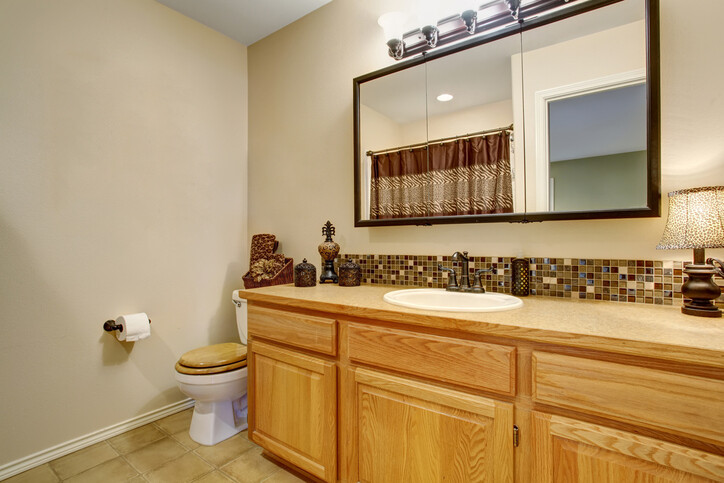
When designing a bathroom or home gym, choosing the right mirror material is more important than many homeowners realize. The decision between acrylic vs glass mirror affects appearance, safety, and long term performance.
Both materials offer advantages depending on how the space is used. Understanding these differences helps homeowners and designers create spaces that are functional and visually refined.
Understanding Acrylic vs Glass Mirror Materials
An acrylic mirror is made from a lightweight plastic sheet with a reflective coating. It is flexible, impact resistant, and easy to install, making it suitable for high activity spaces.
A glass mirror is produced using float glass with a reflective metal backing. This creates a rigid surface that delivers clear, accurate reflections and supports a wide range of design applications.
For a deeper understanding of how mirror clarity is achieved, explore What Type of Glass is Used for Mirrors.
Durability and Long Term Performance
When comparing acrylic vs glass mirror options, durability plays a major role.
Acrylic mirrors resist impact and are less likely to shatter, which makes them ideal for gyms or active environments. However, they are more prone to scratching and may lose clarity over time.
Glass mirrors are more rigid and maintain their surface quality longer. While they can break under strong impact, they are more resistant to everyday wear and provide consistent performance in stable environments.
Safety Considerations for Bathrooms and Gyms
Safety is another key factor.
Acrylic mirrors are shatter resistant and lightweight, reducing risk in high traffic areas. Glass mirrors can be tempered to improve safety, breaking into smaller pieces if damaged.
Professional installation ensures both materials perform safely and reliably over time.
Design Impact and Reflection Quality
Reflection quality is one of the most noticeable differences in the acrylic vs glass mirror comparison.
Glass mirrors provide sharp, distortion free reflections because the surface remains perfectly flat. This makes them ideal for bathrooms and vanity areas.
Acrylic mirrors may produce slight distortions, especially in larger panels. While they allow for flexible applications, they do not match the visual precision of glass.
Design options such as frameless mirrors enhance modern interiors with clean, seamless finishes.
Installation, Weight, and Flexibility
Acrylic mirrors are lightweight and easy to handle, making them suitable for large installations or spaces with weight limitations. Their flexibility allows for creative layouts.
Glass mirrors require secure mounting but provide a stable, polished finish. They are often integrated with features like custom glass and doors to create cohesive designs.
Choosing the Right Mirror for Your Space
| Acrylic Mirrors | Glass Mirrors |
|---|---|
| Lightweight and easy to install | Heavier with secure installation required |
| Impact resistant and shatter resistant | Can be tempered for added safety |
| May scratch and lose clarity over time | Maintains clarity and surface quality longer |
| Slight distortion possible | Clear and accurate reflections |
| Ideal for gyms and high activity areas | Best for bathrooms and residential interiors |
Making the Right Design Decision
The choice between acrylic vs glass mirror depends on how the space will be used. Bathrooms benefit from clarity and long term durability, while gyms often require safety and flexibility.
Choosing the right mirror ensures your space remains functional, safe, and visually consistent.
Contact our team today to work with House of Mirrors on custom mirror solutions tailored to your space. Whether you are upgrading a bathroom or designing a home gym, we will help you select, design, and install the right mirror for lasting performance and a clean, modern finish.